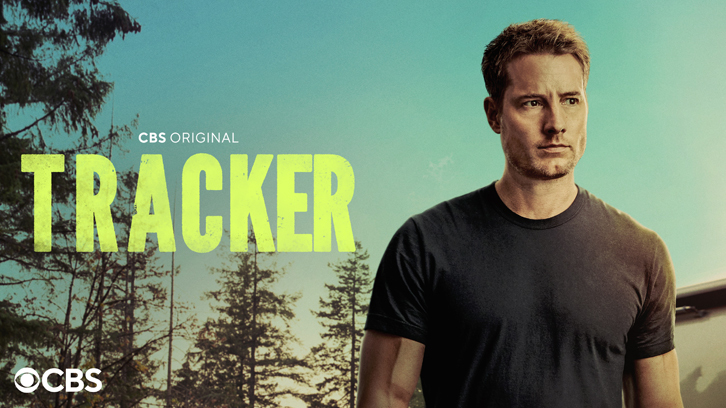
The penultimate episode of Tracker Season 3, “Chrono Stasis,” is exactly the kind of emotionally loaded hour that a season needs before heading into its finale. It moves Colter and Russell closer than ever to the truth about their father, but what makes the episode work so well is that it never treats the mystery as just a puzzle to be solved. Every revelation is tied to grief, guilt, fear, and the long shadow Ashton Shaw left over his family. This is not just about what happened in Alaska or what the government buried under layers of secrecy. It is about two brothers finally realizing that the story they have been chasing may be darker, larger, and more personal than either of them was prepared to face.
What makes the episode so effective is how confidently it balances its emotional revelations with the paranoia-thriller atmosphere that slowly consumes the narrative. Tracker has always flirted with conspiracy elements surrounding Ashton Shaw’s death, but “Chrono Stasis” fully commits to the idea that something larger and darker has been operating beneath the surface all along. Instead of feeling absurd or overblown, the episode grounds those revelations in deeply personal stakes, making the conspiracy feel frightening because of what it has done to people rather than simply because it exists.
The opening rescue sequence is a perfect reminder of why Colter works so well as a protagonist. Before the government secrets and shadow programs begin, the episode deliberately grounds him in the kind of work that defines him at his core. The scene with Wally is brief, but important. Colter’s calmness with the injured teenager highlights the empathy that separates him from the archetypal hardened lone wolf. Justin Hartley plays these moments with warmth rather than heroics. Colter stabilizing Wally’s arm and talking him through the panic reinforces that this character is fundamentally a caretaker, someone driven by helping others feel safe. That emotional instinct becomes crucial later when he tries to connect with Danny.
 |
| “Chrono Stasis" – TRACKER, Pictured: Jensen Ackles as Russell Shaw and Justin Hartley as Colter Shaw. Photo: Darko Sikman/CBS ©2026 CBS Broadcasting, Inc. All Rights Reserved. |
The arrival of Russell immediately shifts the energy of the episode, and once again Jensen Ackles proves himself invaluable to Tracker. The chemistry between Hartley and Ackles is effortless. Their banter feels lived-in, natural, and deeply rooted in years of complicated history. Whether they are joking about tracking each other down or exchanging sarcastic comments about Colter’s people skills, the dialogue never feels manufactured. The humour works because it exists alongside genuine affection. These brothers clearly frustrate each other endlessly, but there is no longer any doubt about how much they care for one another.
That emotional progress becomes one of the episode’s strongest undercurrents. Earlier seasons positioned Colter and Russell as fractured by suspicion and resentment, particularly surrounding Ashton’s death. “Chrono Stasis” finally allows both men to move beyond those wounds and focus their anger where it truly belongs. There is something quietly moving about watching them operate as partners rather than adversaries. Even the smallest exchanges carry emotional weight because they are no longer guarded around each other.
The return to Echo Ridge is where the episode truly deepens emotionally. Tracker has spent years circling around the Shaw family trauma, but this hour finally confronts it directly. Colter’s conversation with his mother is easily one of the strongest dramatic scenes the series has produced. The writing resists the temptation to turn her into either a villain or a saint. Instead, she emerges as a woman who made desperate choices while living beside a man who was psychologically unraveling.
Her explanation of Ashton’s deterioration after Alaska reframes much of the mythology surrounding him. For years, Ashton has existed almost as a mythic figure in Colter’s memory, someone brilliant, wronged, and tragically lost. This episode complicates that perception in fascinating ways. Ashton was clearly brilliant, but he was also obsessive, paranoid, emotionally unavailable, and increasingly unstable. His wife describing how he would become angry when questioned humanizes him in a painful way. It also explains why she felt trapped enough to call Otto.
That emotional progress becomes one of the episode’s strongest undercurrents. Earlier seasons positioned Colter and Russell as fractured by suspicion and resentment, particularly surrounding Ashton’s death. “Chrono Stasis” finally allows both men to move beyond those wounds and focus their anger where it truly belongs. There is something quietly moving about watching them operate as partners rather than adversaries. Even the smallest exchanges carry emotional weight because they are no longer guarded around each other.
The return to Echo Ridge is where the episode truly deepens emotionally. Tracker has spent years circling around the Shaw family trauma, but this hour finally confronts it directly. Colter’s conversation with his mother is easily one of the strongest dramatic scenes the series has produced. The writing resists the temptation to turn her into either a villain or a saint. Instead, she emerges as a woman who made desperate choices while living beside a man who was psychologically unraveling.
Her explanation of Ashton’s deterioration after Alaska reframes much of the mythology surrounding him. For years, Ashton has existed almost as a mythic figure in Colter’s memory, someone brilliant, wronged, and tragically lost. This episode complicates that perception in fascinating ways. Ashton was clearly brilliant, but he was also obsessive, paranoid, emotionally unavailable, and increasingly unstable. His wife describing how he would become angry when questioned humanizes him in a painful way. It also explains why she felt trapped enough to call Otto.
 |
| “Chrono Stasis" – TRACKER, Pictured: Jensen Ackles as Russell Shaw. Photo: Darko Sikman/CBS ©2026 CBS Broadcasting, Inc. All Rights Reserved. |
The most heartbreaking aspect of the scene is that Colter finally chooses understanding over blame. Hartley plays the moment with remarkable restraint. There is no dramatic outburst or emotional breakdown. Instead, there is exhaustion in his face, the realization that he has spent years carrying anger that no longer serves him. When he tells his mother she deserves a fresh start and kisses her forehead goodbye, it feels like a release neither of them thought possible.
Meanwhile, Russell’s graveyard scene offers one of the episode’s most quietly devastating moments. Ackles delivers the monologue beautifully, allowing Russell’s anger, confusion, and reluctant longing for his father to coexist simultaneously. His line about Echo Ridge functioning like an echo itself is particularly effective because it captures the emotional thesis of the episode. No matter how far these brothers travel, they are constantly pulled back toward the unresolved trauma of their childhood.
From there, the episode transforms into something far darker and more sinister.
Serena Jukic’s introduction immediately changes the tone. The moment she recognizes Colter and Russell as “Ashton’s boys,” the episode takes on an almost ghostly quality, as though the brothers are finally stepping into the buried history that has shaped their entire lives. The exposition-heavy scenes with Serena could easily have collapsed under the weight of complicated mythology, but the writing smartly anchors everything in moral horror rather than technobabble.
The revelations surrounding Chrono Stasis are genuinely disturbing. The idea that Ashton’s research into heightened cognitive abilities was weaponized by DARPA is chilling enough, but the reveal that children became test subjects pushes the story into much darker territory. Tracker has occasionally touched on systemic exploitation before, but never on this scale.
What works particularly well is that the episode refuses to romanticize the conspiracy. This is not presented as cool secret-government intrigue. It is child abuse disguised as scientific advancement. The image of gifted children being manipulated, drugged, and conditioned into becoming tools for military operations is horrifying precisely because the episode treats it seriously.
Meanwhile, Russell’s graveyard scene offers one of the episode’s most quietly devastating moments. Ackles delivers the monologue beautifully, allowing Russell’s anger, confusion, and reluctant longing for his father to coexist simultaneously. His line about Echo Ridge functioning like an echo itself is particularly effective because it captures the emotional thesis of the episode. No matter how far these brothers travel, they are constantly pulled back toward the unresolved trauma of their childhood.
From there, the episode transforms into something far darker and more sinister.
Serena Jukic’s introduction immediately changes the tone. The moment she recognizes Colter and Russell as “Ashton’s boys,” the episode takes on an almost ghostly quality, as though the brothers are finally stepping into the buried history that has shaped their entire lives. The exposition-heavy scenes with Serena could easily have collapsed under the weight of complicated mythology, but the writing smartly anchors everything in moral horror rather than technobabble.
The revelations surrounding Chrono Stasis are genuinely disturbing. The idea that Ashton’s research into heightened cognitive abilities was weaponized by DARPA is chilling enough, but the reveal that children became test subjects pushes the story into much darker territory. Tracker has occasionally touched on systemic exploitation before, but never on this scale.
What works particularly well is that the episode refuses to romanticize the conspiracy. This is not presented as cool secret-government intrigue. It is child abuse disguised as scientific advancement. The image of gifted children being manipulated, drugged, and conditioned into becoming tools for military operations is horrifying precisely because the episode treats it seriously.
 |
| “Chrono Stasis" – TRACKER, Pictured: Jeri Ryan as Serena Jukic. Photo: Darko Sikman/CBS ©2026 CBS Broadcasting, Inc. All Rights Reserved. |
Serena herself becomes an unexpectedly tragic figure. She is not innocent, but neither is she entirely culpable. Her guilt over Danny feels genuine, especially as she recounts discovering that the program staged his father’s death and manipulated his entire existence. The flashback involving Danny solving the Rubik’s Cube is deeply unsettling because it initially appears harmless before the context makes it monstrous. Every scene involving the children carries an undercurrent of exploitation and stolen humanity.
The episode also smartly parallels Danny with Colter and Russell. Russell’s later comment about wondering whether Ashton experimented on his own children is one of the hour’s most important lines. It forces both the characters and audience to reconsider the Shaw family dynamic through a darker lens. Ashton may not have subjected them to Chrono Stasis, but he clearly blurred emotional boundaries in ways that deeply affected both sons.
One of the episode’s greatest strengths is how effectively it builds paranoia. From the mysterious surveillance van to the shell corporations and black-budget operations, the atmosphere becomes increasingly claustrophobic. The government operatives remain mostly faceless, which makes them even more frightening. They are not cartoon villains. They are systems, institutions, and invisible machinery designed to erase people.
The pacing during the second half is particularly strong because every revelation escalates the danger organically. Randy and Reenie continue to function as essential support without ever feeling intrusive, and the investigative process remains engaging throughout. The detail about the surveillance van disrupting Serena’s wifi is exactly the kind of grounded procedural touch that keeps the conspiracy elements believable.
Ackles also gets some fantastic material during Russell’s meeting with Belton. The scene expands Russell’s world beyond Colter and hints at a long, morally complicated history of covert operations. Belton’s warning about Chrono Stasis being an Unacknowledged Special Access Program adds another layer of dread because it suggests the operation exists entirely outside oversight or accountability. The implication is terrifying: these children have effectively disappeared into a system designed never to officially exist.
The brief scenes with Danny and Lola are some of the episode’s most haunting. Lola screaming for Danny to help her while guards drag her away is difficult to watch because Danny’s compliance feels conditioned rather than voluntary. The series smartly avoids presenting him as either villain or victim alone. He is clearly traumatized beyond comprehension, someone who has survived by surrendering his agency.
The episode also smartly parallels Danny with Colter and Russell. Russell’s later comment about wondering whether Ashton experimented on his own children is one of the hour’s most important lines. It forces both the characters and audience to reconsider the Shaw family dynamic through a darker lens. Ashton may not have subjected them to Chrono Stasis, but he clearly blurred emotional boundaries in ways that deeply affected both sons.
One of the episode’s greatest strengths is how effectively it builds paranoia. From the mysterious surveillance van to the shell corporations and black-budget operations, the atmosphere becomes increasingly claustrophobic. The government operatives remain mostly faceless, which makes them even more frightening. They are not cartoon villains. They are systems, institutions, and invisible machinery designed to erase people.
The pacing during the second half is particularly strong because every revelation escalates the danger organically. Randy and Reenie continue to function as essential support without ever feeling intrusive, and the investigative process remains engaging throughout. The detail about the surveillance van disrupting Serena’s wifi is exactly the kind of grounded procedural touch that keeps the conspiracy elements believable.
Ackles also gets some fantastic material during Russell’s meeting with Belton. The scene expands Russell’s world beyond Colter and hints at a long, morally complicated history of covert operations. Belton’s warning about Chrono Stasis being an Unacknowledged Special Access Program adds another layer of dread because it suggests the operation exists entirely outside oversight or accountability. The implication is terrifying: these children have effectively disappeared into a system designed never to officially exist.
The brief scenes with Danny and Lola are some of the episode’s most haunting. Lola screaming for Danny to help her while guards drag her away is difficult to watch because Danny’s compliance feels conditioned rather than voluntary. The series smartly avoids presenting him as either villain or victim alone. He is clearly traumatized beyond comprehension, someone who has survived by surrendering his agency.
 |
| “Chrono Stasis" – TRACKER, Pictured: Jensen Ackles as Russell Shaw and Justin Hartley as Colter Shaw. Photo: Darko Sikman/CBS ©2026 CBS Broadcasting, Inc. All Rights Reserved. |
That complexity pays off enormously in the final sequence.
The infiltration of the facility is tense and effective, but the true power of the ending lies in Colter’s interaction with Danny. Hartley delivers the scene with exactly the right emotional approach. Colter does not treat Danny like a suspect or an enemy. He treats him like a frightened child trapped inside an adult body. His attempts to calmly reassure Danny echo the opening scene with Wally, reinforcing Colter’s instinct to comfort and protect.
Danny’s refusal to leave is heartbreaking because it reveals how deeply the conditioning has taken hold. He genuinely believes escape is impossible. The image of him clutching the panic button while insisting Colter does not understand perfectly encapsulates the tragedy of the character. By the time he presses the button and traps Colter inside the room, the cliffhanger lands not simply as suspense, but as emotional devastation.
“Chrono Stasis” is one of Tracker’s strongest episodes because it successfully expands the mythology without losing sight of the characters. It delivers conspiracy thriller tension, emotional catharsis, and deeply unsettling revelations while still preserving the humanity at the centre of the story. Most importantly, it finally gives Colter and Russell the emotional clarity they have both desperately needed.
The finale now carries enormous weight, not only because of the danger facing Colter, but because the series has finally revealed what this journey has always been about: two brothers trying to understand the legacy their father left behind, and deciding whether that legacy will define them or destroy them.
The infiltration of the facility is tense and effective, but the true power of the ending lies in Colter’s interaction with Danny. Hartley delivers the scene with exactly the right emotional approach. Colter does not treat Danny like a suspect or an enemy. He treats him like a frightened child trapped inside an adult body. His attempts to calmly reassure Danny echo the opening scene with Wally, reinforcing Colter’s instinct to comfort and protect.
Danny’s refusal to leave is heartbreaking because it reveals how deeply the conditioning has taken hold. He genuinely believes escape is impossible. The image of him clutching the panic button while insisting Colter does not understand perfectly encapsulates the tragedy of the character. By the time he presses the button and traps Colter inside the room, the cliffhanger lands not simply as suspense, but as emotional devastation.
“Chrono Stasis” is one of Tracker’s strongest episodes because it successfully expands the mythology without losing sight of the characters. It delivers conspiracy thriller tension, emotional catharsis, and deeply unsettling revelations while still preserving the humanity at the centre of the story. Most importantly, it finally gives Colter and Russell the emotional clarity they have both desperately needed.
The finale now carries enormous weight, not only because of the danger facing Colter, but because the series has finally revealed what this journey has always been about: two brothers trying to understand the legacy their father left behind, and deciding whether that legacy will define them or destroy them.