Disclaimer: Please note that the views and opinions expressed in this article are those of the authors and do not necessarily reflect the official policy or position of SpoilerTV.
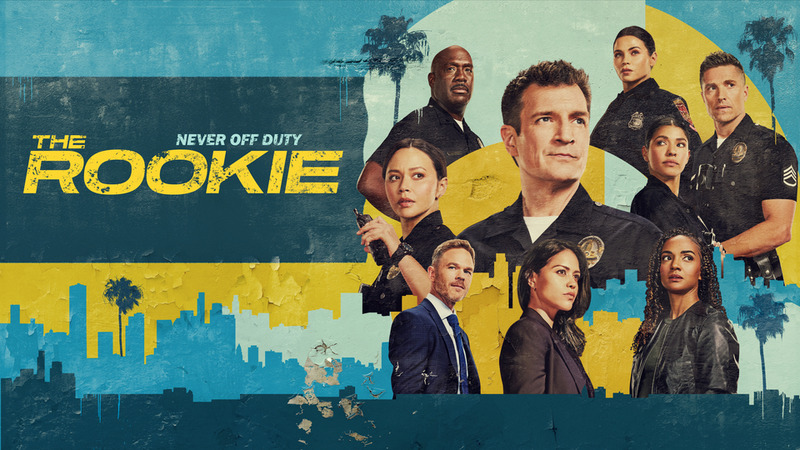
The eighth season of The Rookie came in with real momentum. The early episodes delivered exactly what longtime fans have come to expect: tight storytelling, meaningful character beats, and a strong balance across its ensemble cast. For a while, it genuinely felt like the show had rediscovered its rhythm.
But somewhere along the way, that balance slipped.
The first half of Season 8 showed promise. The return to the William Glasser case injected urgency and intrigue into the narrative, reminding viewers how compelling The Rookie can be when it leans into serialized storytelling with real stakes. Character arcs felt purposeful, the pacing worked, and the ensemble, one of the show’s biggest strengths, was being utilized effectively. Each member had space to breathe, contribute, and evolve.
In short: it was working.
However, as the season progresses, the storytelling seems to be to losing focus. With a large ensemble cast, The Rookie has always walked a fine line, giving everyone enough screen time while still driving a cohesive narrative. That balance is delicate. And in the back half of Season 8, it has started to crack.
Instead of deepening core character arcs, the show increasingly leans on guest characters who don’t meaningfully push the story forward. Guest roles, when done right, should serve the purpose of elevating the plot or challenging the main cast in new ways. Here, they often feel like distractions.
The result? A moment that could have been powerful for the core cast felt diluted, especially with Miles Penn (Deric Augustine) notably absent from the gathering.
Beyond character focus, the overarching narrative has also struggled. Since the peak of the Glasser storyline, the season has leaned heavily on revisiting familiar antagonists like Monica, Elijah, and Oscar. While callbacks can be effective, overuse risks making the story feel repetitive rather than evolving.
The introduction of the FBI/LAPD collaboration, which could have opened new storytelling doors, has instead felt underdeveloped, serving more as a vehicle for additional characters than a meaningful expansion of the show’s world.
At the heart of the issue is a simple truth: fans matter. Viewers invest in characters, relationships, and long-term storytelling. When those elements are sidelined in favour of choices that don’t clearly benefit the narrative, it creates disconnect.
Long-running shows survive by adapting, not just creatively, but by understanding what resonates with their audience.
Season 8 of The Rookie isn’t beyond saving, not even close. The foundation is still there, and the early episodes proved that the show can still deliver at a high level.
But the back half serves as a reminder of how quickly things can unravel when focus shifts away from what made the show work in the first place.
At its best, The Rookie thrives on its ensemble, its character-driven storytelling, and its ability to balance humour, heart, and high-stakes drama. Right now, it just needs to find its way back to that formula and maybe remember who the audience is showing up for each week.
But somewhere along the way, that balance slipped.
The first half of Season 8 showed promise. The return to the William Glasser case injected urgency and intrigue into the narrative, reminding viewers how compelling The Rookie can be when it leans into serialized storytelling with real stakes. Character arcs felt purposeful, the pacing worked, and the ensemble, one of the show’s biggest strengths, was being utilized effectively. Each member had space to breathe, contribute, and evolve.
In short: it was working.
However, as the season progresses, the storytelling seems to be to losing focus. With a large ensemble cast, The Rookie has always walked a fine line, giving everyone enough screen time while still driving a cohesive narrative. That balance is delicate. And in the back half of Season 8, it has started to crack.
Instead of deepening core character arcs, the show increasingly leans on guest characters who don’t meaningfully push the story forward. Guest roles, when done right, should serve the purpose of elevating the plot or challenging the main cast in new ways. Here, they often feel like distractions.
 |
| (Disney/John Russo) |
A major point of frustration has been the increased presence of recurring guest characters played by Beckett Hawley as Dash and Zander Hawley as Rodge.
Rather than enhancing the narrative, these characters have frequently taken up valuable screen time, time that many fans feel should have gone to the established ensemble.
And it’s not just about screen time, it’s about impact. When these characters are driving plot lines without clear narrative weight, it creates a sense that the story itself is drifting.
The episode “My Name is Martin” was heavily anticipated, especially as a showcase for fan-favourite Lucy Chen, played by Melissa O'Neil. Instead, the episode largely centred on Dash.
Lucy, a core character with a deeply invested fanbase, didn’t even appear until the latter portion of the episode, and her role was reduced to just a few brief moments. For many viewers, this felt like a major misstep, especially given the expectations surrounding the episode.
The issue carried into “The Thinker,” where the show seemed poised to deliver a heartfelt ensemble moment. The setup was perfect with the team coming together in support of Wesley, highlighting the found-family dynamic that has long defined the series. But instead of focusing on that emotional payoff, the scene shifted attention to Rodge, who took center stage with a serenade.
Rather than enhancing the narrative, these characters have frequently taken up valuable screen time, time that many fans feel should have gone to the established ensemble.
And it’s not just about screen time, it’s about impact. When these characters are driving plot lines without clear narrative weight, it creates a sense that the story itself is drifting.
The episode “My Name is Martin” was heavily anticipated, especially as a showcase for fan-favourite Lucy Chen, played by Melissa O'Neil. Instead, the episode largely centred on Dash.
Lucy, a core character with a deeply invested fanbase, didn’t even appear until the latter portion of the episode, and her role was reduced to just a few brief moments. For many viewers, this felt like a major misstep, especially given the expectations surrounding the episode.
The issue carried into “The Thinker,” where the show seemed poised to deliver a heartfelt ensemble moment. The setup was perfect with the team coming together in support of Wesley, highlighting the found-family dynamic that has long defined the series. But instead of focusing on that emotional payoff, the scene shifted attention to Rodge, who took center stage with a serenade.
The result? A moment that could have been powerful for the core cast felt diluted, especially with Miles Penn (Deric Augustine) notably absent from the gathering.
 |
| (Disney/Mike Taing) |
Beyond character focus, the overarching narrative has also struggled. Since the peak of the Glasser storyline, the season has leaned heavily on revisiting familiar antagonists like Monica, Elijah, and Oscar. While callbacks can be effective, overuse risks making the story feel repetitive rather than evolving.
The introduction of the FBI/LAPD collaboration, which could have opened new storytelling doors, has instead felt underdeveloped, serving more as a vehicle for additional characters than a meaningful expansion of the show’s world.
At the heart of the issue is a simple truth: fans matter. Viewers invest in characters, relationships, and long-term storytelling. When those elements are sidelined in favour of choices that don’t clearly benefit the narrative, it creates disconnect.
Long-running shows survive by adapting, not just creatively, but by understanding what resonates with their audience.
 |
| (Disney/Mike Taing) |
Season 8 of The Rookie isn’t beyond saving, not even close. The foundation is still there, and the early episodes proved that the show can still deliver at a high level.
But the back half serves as a reminder of how quickly things can unravel when focus shifts away from what made the show work in the first place.
At its best, The Rookie thrives on its ensemble, its character-driven storytelling, and its ability to balance humour, heart, and high-stakes drama. Right now, it just needs to find its way back to that formula and maybe remember who the audience is showing up for each week.